What does organic coffee really mean?
Organic coffee is more than a green seal. It represents a consistently sustainable approach along the entire value chain – from planting the coffee cherry to the roasted bean. For coffee lovers in Germany, this means: a product with clear standards, independent control, and traceable origin. The focus is on cultivation without synthetic pesticides or mineral nitrogen fertilizers, protection of soil and biodiversity, and seamless documentation. Especially for Peruvian coffee, which comes from small-scale structures and cooperatives, the organic coffee certificate provides orientation and trust.
Organic Certification briefly explained (Cultivation, Processing, Control)
The organic coffee certificate (e.g., according to EU organic regulation) stipulates:
- Cultivation without synthetic pesticides and without genetic engineering, with a focus on soil health, compost, cover crops, and shade trees.
- Strict separation in processing: Organic lots are received, processed (e.g., washed processing), and stored separately.
- Documented traceability from producer to export, import, roastery, and retail.
- Regular, independent controls along the supply chain with audits and sampling.
These standards create measurable minimum requirements. They do not replace the quality work in farm and roasting practices but systematically promote sustainable coffee production.
Differences from non-certified coffee
Coffee without a certificate can certainly be carefully produced, but it is not verified by an independent system. Without an organic label, reliable evidence of pesticide use, strict separation in the mill, or supply chain documentation is missing. The organic certificate creates transparency and comparability here, especially when consumers do not know every farm personally.
Advantages: Soil, Biodiversity, Traceability
- Soil fertility: Organic fertilization and humus buildup increase water retention capacity and resilience against erosion.
- Biodiversity: Shade trees, hedges, and mixed crops create habitats for insects and birds – important for pollination and pest regulation.
- Traceability: Batches can be tracked from the field to the roasted batch – the basis for quality assurance and fair prices.

Introducing Peruvian Coffee: Regions, Varietals, Processing Methods
Peru is a diverse country of origin with altitudes ranging from 1,200 to over 2,000 meters above sea level. Important growing regions include Cajamarca (northern Peru), San Martín, Junín, Cusco, and Puno. Many producers are small farmers, organized into cooperatives – an environment where organic standards are well established. Peruvian coffee often stands out with a clean, clear cup, good sweetness, and harmonious acidity. Depending on the microclimate and processing method, the spectrum ranges from cocoa and nutty notes to red fruits and caramel.
Typical Varietals from Peru (e.g., Typica, Caturra, Bourbon, Catuai, Pache)
Arabica varietals dominate in Peru. Common ones include Typica (classic, elegant, often floral sweetness), Caturra (compact, good sweetness-body balance), Bourbon (round sweetness, complex fruit), Catuai (high-yielding, balanced), and Pache (a local selection known for clarity). These Arabica varietals respond strongly to altitude and care: At higher altitudes, they exhibit livelier acidity, often with notes of red fruit, stone fruit, and cocoa; at medium altitudes, caramel and milk chocolate come more to the fore.
Overview of Processing Methods: Washed, Honey, Natural
The processing method significantly shapes the cup:
- Washed processing: The pulp is mechanically removed, the mucilage fermented, and washed off. Result: very clear, precise aromas, often with chocolatey sweetness and balanced acidity – typical for many Peruvian lots.
- Honey: Part of the mucilage remains on the bean. This results in more sweetness and body, with subtle fruit accents.
- Natural: Whole cherries are dried. This leads to pronounced fruit and higher body but requires particularly careful drying for a clean cup.
Peru is traditionally strong in washed lots because the climate in many regions supports this clean, controlled drying.
Flavor Profile from Peru: Cocoa, Red Fruits, Caramel; Seasonality and Harvest Window
Typical notes are cocoa and milk chocolate, complemented by red fruits (e.g., red berries, apple) and caramel. At higher altitudes, floral and lively, yet soft, acid structures frequently appear. Harvest time varies by region – roughly, the harvest window is between April and September; freshly harvested green coffees usually appear in Europe between late summer and winter. Seasonal freshness positively impacts clarity and sweetness: The younger the green coffee, the more radiant the profile, provided it has been stored well.
Product Spotlight: Kaffanero Organic Coffee (washed, Omni Roast)

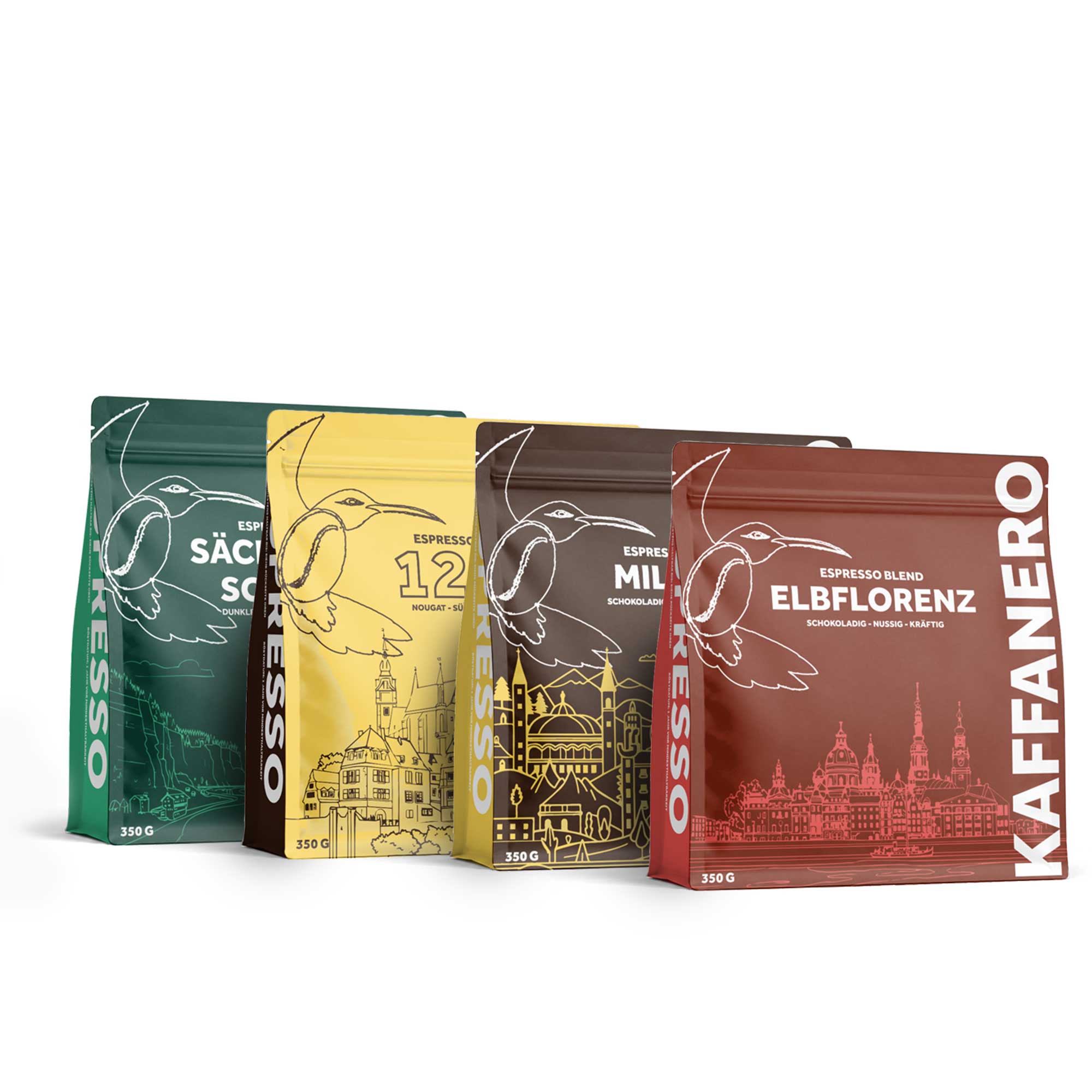
Kaffanero Organic Coffee comes from Cajamarca, one of Peru's most important coffee-growing regions. The regional blend is produced by Sol y Café, a cooperative known for high-quality Arabica coffees and a strong commitment to sustainability, organic farming, and fair structures. The washed-processed varietals Catimor, Typica, Caturra, and Pache result in a clean, accessible cup profile with notes of milk chocolate, red fruits, and caramel. Roasted as an Omni Roast, this coffee is particularly versatile and suitable for various preparation methods – from pour-over to automatic coffee machines and French Press.
Omni Roast Style: flexible for filter, automatic machine, and French Press
Omni Roast means that the roast profile is designed to perform well in various brewing methods. In the cup, this results in clear sweetness for filter coffee preparation, sufficient body for Café Crème in an automatic machine, and a round, forgiving extraction in a French Press. Practical for households with multiple brewers and for beginners who want to explore flavors.
Cup Profile: Milk chocolate, red fruits, caramel
Kaffanero Organic Coffee exhibits an accessible, yet nuanced profile: primarily milk chocolate, with red fruits (e.g., red berries, apple) and caramel on the finish. The milk chocolate, red fruits, caramel cup profile is excellent for pure enjoyment and also harmonizes well with a little milk.
Who is Kaffanero Organic Coffee suitable for?
For beginners looking for a clean, classic profile; for advanced users who appreciate clarity and balance; and for households with mixed preferences who want to use one bean in multiple setups. Anyone who prefers sustainable coffee with traceable origins and wants to discover the strengths of Peruvian coffee will make a safe choice here.
Brewing Recommendations in Brief
Filter Coffee (V60, Kalita, Moccamaster): 1:16–1:17, 92–94 °C, 2:45–3:15 min
- Recipe: 18 g coffee to 290–305 g water (1:16–1:17), grind medium-fine.
- Brew: 40–50 g bloom for 30–40 s, then 2–3 gentle pours until target amount.
- Target time: 2:45–3:15 min. If the time is too short, grind finer; if too long, grind coarser.
- Target profile: Sweet, clear cup, balanced acidity, delicate caramel and chocolate notes with red fruits.
- Tip: Fresh filtered water with 60–90 mg/l total hardness promotes clarity and sweetness.
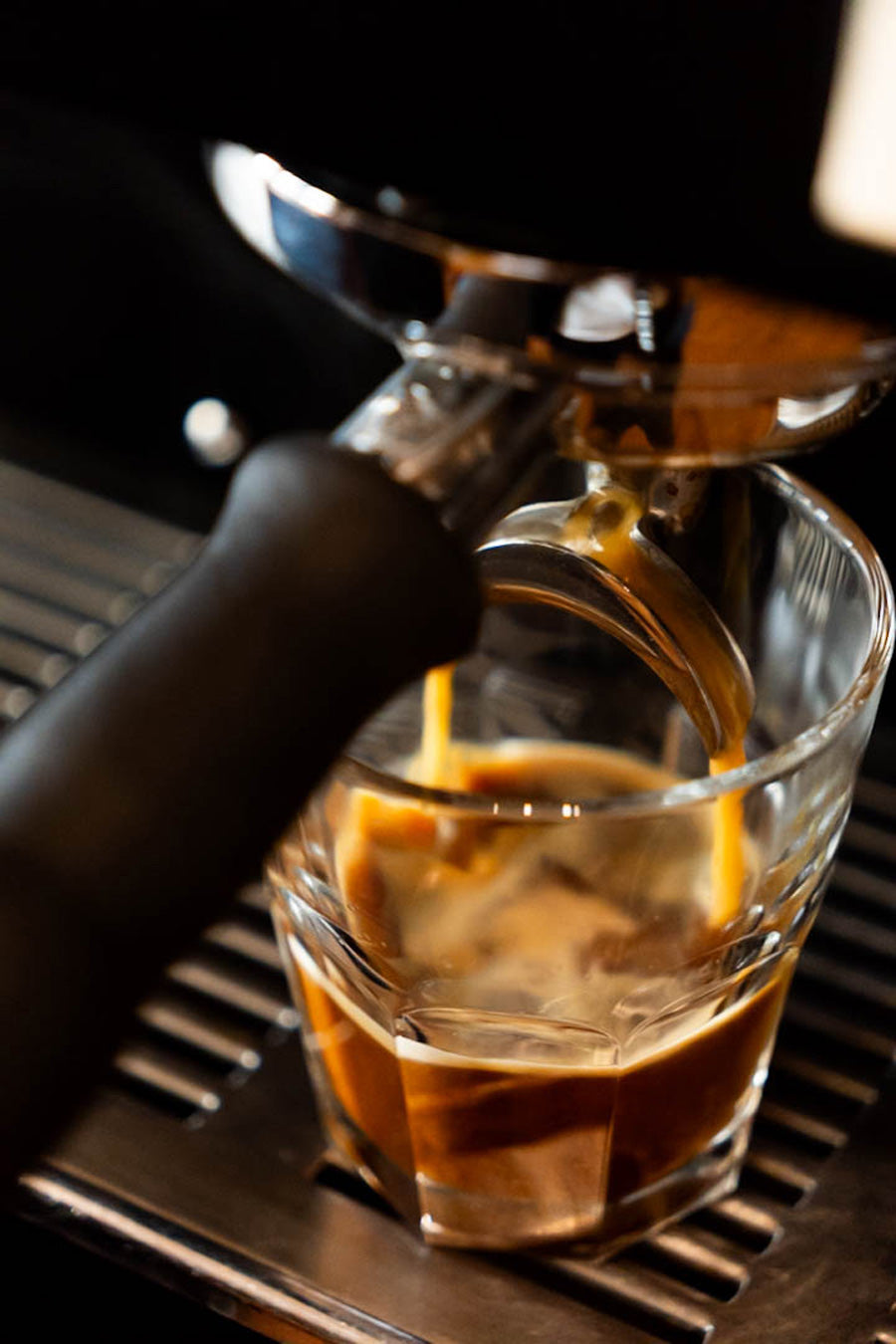
Automatic Coffee Machine: fine grind, high brewing temperature, 120–160 ml Café Crème
- Grind: rather fine, but without bitterness; use fresh, whole beans.
- Temperature: choose a high brewing temperature; if adjustable, 92–94 °C.
- Beverage size: 120–160 ml for Café Crème; for a more intense cup, a smaller volume.
- Settings: leave tamper pressure/brewing pressure at factory settings; check water quality (not too hard).
- Tip: Two short extractions instead of one long one avoid over-extraction in the later flow.
French Press: 1:15, coarse, 4:00 min, stir and pour cleanly
- Recipe: 30 g coarsely ground coffee to 450 g water (approx. 94 °C).
- Process: Pour water, stir briefly 1–2 times, place lid, gently press at 4:00.
- Pour cleanly: Transfer directly to a serving carafe so the coffee does not over-extract.
- Profile: Soft body, plenty of chocolate/caramel, subtle red fruits.
Sensory Orientation: how to recognize milk chocolate, red fruits, caramel
- Milk chocolate/Caramel: Appear as round sweetness and a soft finish, often with medium extractions and moderate water temperature.
- Red fruits: Show up as bright, juicy acidity. Too coarse a grind or too cold water masks them; too fine a grind makes the acidity sharp.
- Calibration: Adjust grind in small increments. Sweetness increases to optimal, then tips into bitterness.
- Serving temperature: Try at 50–60 °C – fruit and sweetness emerge more clearly than when very hot.
- Water: Balanced mineralization (Ca/Mg) enhances sweetness and structure; too hard dampens fruit.
Conclusion
Organic coffee from Peru combines clear origin, sustainable standards, and an accessible, yet lively flavor profile. Kaffanero Organic Coffee as a washed Omni Roast makes it easy to get started: milk chocolate, red fruits, caramel – versatile in filter, automatic machine, and French Press. Anyone seeking conscious enjoyment and wanting to explore varietals and processing will find a reliable reference here. Next steps: note brewing parameters, check water quality, compare seasonal fresh lots, and keep sensory notes – this will increase your confidence in selection and recipe.