When talking about coffee, the focus is often on origin, roasting, and flavor. However, long before beans reach your cup, the weather determines quantity, quality, and availability. The climate phenomenon El Niño can play a significant role in this: it alters precipitation, temperatures, and harvesting conditions in many coffee-growing regions worldwide.
For coffee lovers in Germany, this might seem remote at first. In reality, however, El Niño can influence coffee along the entire supply chain: from the flowering of the coffee plant and processing in the country of origin to green coffee prices, roasteries, and consumer prices.
Briefly explained: What is El Niño?
For anyone wondering what El Niño is, it can be understood simply: at irregular intervals, the surface of the tropical Pacific Ocean warms up more than usual. This warming changes air currents and precipitation patterns. The consequences are not the same everywhere, but they can foster extreme weather events worldwide.
In some regions, El Niño brings unusual drought, while in others it leads to heavy rainfall or shifted rainy seasons. This is particularly relevant for agriculture because plants rely on predictable seasons. Coffee is one of the crops that reacts sensitively to changes in the interplay of rain, sun, and temperature.
Why El Niño is particularly relevant for coffee cultivation
Coffee grows in tropical and subtropical regions, often at high altitudes with relatively stable climatic conditions. Although Arabica and Robusta require different conditions, both varieties depend on a balanced supply of water and temperature. The influence of El Niño on coffee cultivation can therefore be significant.
Effects on temperature, rain, and dry periods
Coffee plants need rain at the right time: for growth, flowering, and fruit development. If the rain fails to arrive, the plants experience drought stress. If it comes too heavily or too late, flowering, ripening, and the harvest can be disrupted. Furthermore, higher temperatures accelerate the development of coffee cherries, which can impair quality.
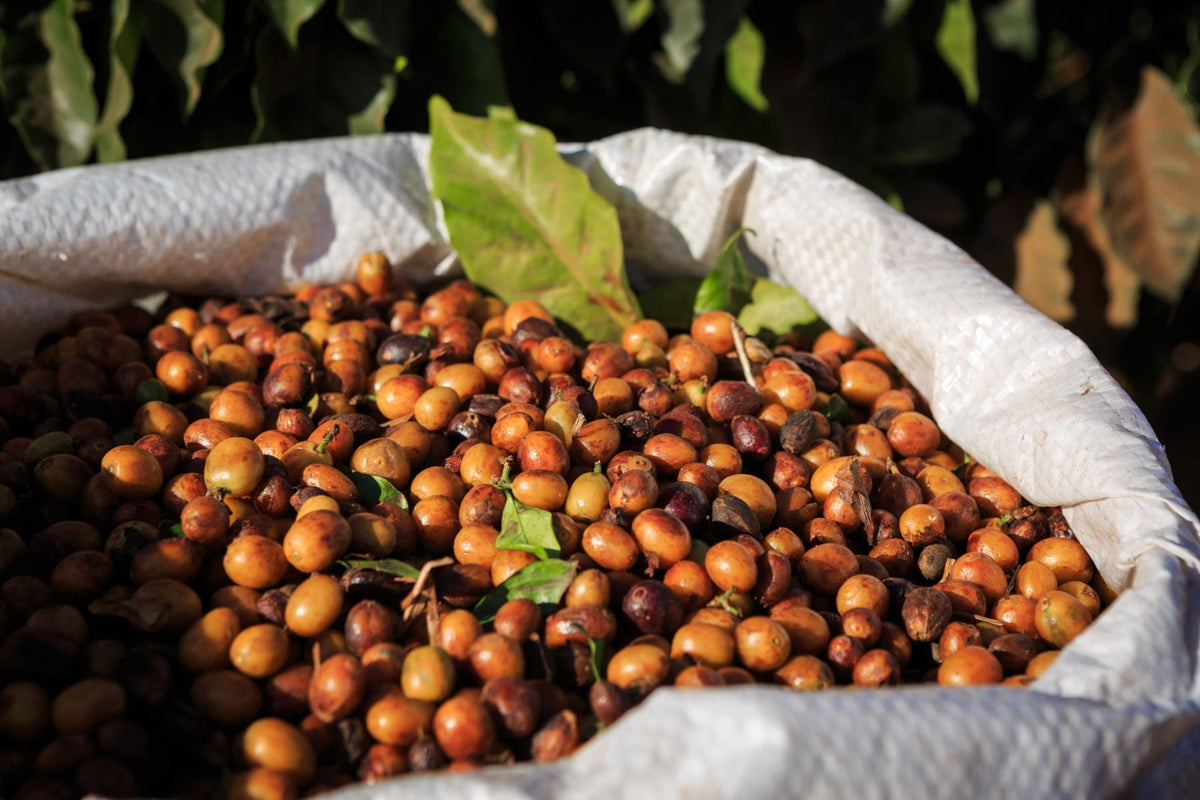
Long periods of drought after flowering are particularly critical. This results in fewer fruits developing, or the cherries remaining smaller. Conversely, heavy rain during the harvest can make drying difficult and increase the risk of mold or fermentation defects.

Differences between Arabica and Robusta growing regions
The topic of the Arabica-Robusta climate shows that not every coffee variety reacts in the same way. Arabica usually grows at higher altitudes and is considered aromatic but more sensitive to heat and irregular rainfall. Robusta tolerates higher temperatures better, yet it is by no means immune to extreme weather.
When drought occurs in important Robusta countries like Vietnam, even this more resilient variety can suffer from yield losses. For Arabica, even moderate temperature increases can cause optimal cultivation zones to shrink or shift to higher altitudes.
How El Niño can influence the coffee harvest
The El Niño coffee harvest is not a uniform event but depends heavily on the region, altitude, variety, and cultivation practices. Nevertheless, there are recurring risks that producers, traders, and roasteries monitor closely.
Lower yields due to drought stress
Drought stress is one of the most significant risks for the coffee harvest. If water is lacking, plants close their stomata, grow more slowly, and invest less energy into fruit formation. The result can be lower yields, smaller beans, and uneven cherry development.
This is particularly difficult for smallholder farmers. Many have limited access to irrigation, shade management, or financial reserves. A weak harvest hits them directly, while costs for maintenance, fertilizer, and labor continue to accumulate.
Quality risks due to irregular ripening and pest pressure
In addition to quantity, coffee quality is crucial. If cherries do not ripen evenly, producers often have to pick selectively or accept compromises in quality. Excessively high temperatures can make flavors taste flatter, while unsuitable precipitation complicates processing.
Pests and diseases can also benefit from changed conditions. The coffee berry borer, for example, spreads more easily in warmer temperatures. Humid phases can promote fungal diseases. This increases the effort required in cultivation and can reduce the available quantity of high-quality coffee.
Delays in harvesting, processing, and export
El Niño can affect more than just the field; it also impacts the post-harvest period. Too much rain can damage roads, make drying grounds unusable, or delay transport. Conversely, if water is missing, washed processing becomes more difficult because it relies on clean water.
Such delays affect export dates and supply schedules. For roasteries, this means they must plan more flexibly, evaluate alternatives, and assess quality samples even more precisely.
What does El Niño mean for the coffee price?
The impact of El Niño on the coffee price is complex. El Niño does not automatically lead to higher prices. However, as soon as markets expect that important harvests will be smaller or supply chains will be disrupted, commodity exchanges often react sensitively.
Why weather risks move green coffee prices
Green coffee prices are determined by supply, demand, stock levels, currencies, and market expectations. Weather is a central factor here because coffee only grows in certain regions, and harvest losses cannot be replaced in the short term.
If Brazil, the largest coffee producer, is affected by unfavorable conditions, it can be felt worldwide. Vietnam, as the most important Robusta producer, also strongly influences price trends. Even forecasts regarding drought or harvest failures can fuel speculation.
Effects on roasteries, trade, and consumer prices
For roasteries, costs rise with higher purchase prices. Added to this are energy, packaging, logistics, and wages. Not every price fluctuation is immediately passed on to consumers, but if there is sustained pressure, end prices may rise.
For coffee drinkers, the coffee price development can be felt with a time lag. Sometimes certain origins become scarcer, and sometimes roasteries change blends to keep quality and price stable. A real coffee shortage in the supermarket is rare, but high-quality specialty coffees from individual regions may temporarily be in limited supply.
Which regions are particularly affected?
El Niño affects regions differently. That is why traders and roasteries monitor not only global climate forecasts but also specific developments in the countries of origin.
South America: Brazil, Colombia, and Peru
Brazil is of enormous importance for both Arabica and Robusta. Drought during flowering can weaken the next harvest, while frost or heat stress pose additional risks. Colombia and Peru are located in complex high-altitude areas where rainfall distribution, slope orientation, and microclimates vary significantly.
In these countries, El Niño can lead to drier phases that reduce yields. At the same time, heavy rainfall can occur locally. The deciding factor is when the weather hits the plants: flowering, fruit setting, and harvest are particularly sensitive time windows.

Asia: Vietnam, Indonesia, and India
Vietnam is the world's most important Robusta producer. Drought there can significantly affect the availability of Robusta, which in turn impacts espresso blends and instant coffee. Indonesia often suffers from difficult drying conditions when rainfall is irregular.
In India, shifts in the monsoon can be problematic. Coffee plantations there are often integrated into mixed systems with shade trees, which can make them more resilient, but this does not fully compensate for extreme weather.
East Africa: Ethiopia, Kenya, and Uganda
East Africa is known for expressive Arabicas and significant volumes of Robusta, especially in Uganda. Depending on the location, El Niño can lead to heavy rain or shifted rainy seasons here. This affects flowering, harvest windows, and processing.
Ethiopia and Kenya supply coffees with a high diversity of flavors. This quality in particular depends heavily on clean harvesting, careful sorting, and stable processing. Extreme weather increases the effort required to maintain this level.
What is to be expected in the future?
El Niño is a natural climate phenomenon. At the same time, climate change is altering the initial conditions. Higher average temperatures, more frequent extremes, and more uncertain rainfall patterns make coffee cultivation more demanding in the long term.
Climate change, extreme weather, and long-term supply risks
Many studies expect that suitable Arabica cultivation areas will decline in some regions or shift to higher altitudes. However, land is not unlimited there. Furthermore, new cultivation areas are often in competition with forests, biodiversity, and other agricultural uses.
Producers are responding with shade trees, more resilient varieties, better water management, and adapted soil care. Nevertheless, adaptation remains expensive and requires knowledge, time, and reliable buyers.
Why transparent origin and quality are becoming more important
The more weather risks increase, the more important transparent supply chains become. Those who know where coffee comes from and under what conditions it was grown can better assess its quality.
For roasteries, transparency means not only a good feeling but also better planning. Direct exchange with importers and producers helps to identify risks early and to select suitable coffees.
Tips for coffee drinkers: Securing quality despite volatile markets
Even if global weather phenomena cannot be influenced, coffee drinkers can make conscious choices. Quality is created not only at the origin but also through proper storage, fresh roasting, and appropriate preparation.
- Prefer buying smaller quantities of freshly roasted beans rather than large stockpiles.
- Pay attention to the roast date, origin details, and transparent information.
- Store coffee in an airtight, dry, and dark place.
- Try new origins or roast profiles when availability changes.
- Adjust grind size and recipe if a coffee extracts differently than usual.
Fresh beans, appropriate roasting, and our coffee tip
Those who want to better understand how origin, green coffee, roasting, and flavor are connected can learn a lot by looking behind the scenes. A great opportunity is the roastery tour at Kaffanero coffee roastery. There, it becomes clear why green coffee quality, artisanal roasting, and careful cupping are so important, especially in volatile markets.
For everyday life, the rule applies: a meticulously selected, freshly roasted coffee often offers more enjoyment and stability than random mass-produced goods. If individual origins become more expensive or scarcer, it is worth staying open to alternatives and making use of expert advice.