Anyone who uses a fully automatic coffee machine expects aromatic espresso, café crème or cappuccino at the touch of a button. But not every bean works equally well in every machine. The question "which coffee for fully automatic machines?" therefore cannot be answered simply with "Arabica" or "espresso roast". The roast level, bean blend, freshness, grind setting and the way the fully automatic machine extracts are all crucial.
In this article, you will learn which beans taste particularly reliable in fully automatic machines, why medium to darker roasts are often advantageous, and how espresso from a fully automatic machine differs from a portafilter machine. You will also receive practical coffee bean recommendations for espresso, café crème, and milk drinks for your fully automatic machine.
Why not every coffee tastes good in a fully automatic machine
A fully automatic machine works differently from filter coffee, French press, or portafilter machines. The beans are freshly ground, compressed in a brewing unit, and extracted under pressure. At the same time, many parameters can only be controlled to a limited extent: grind setting, coffee strength, water quantity, and temperature can be adjusted, but not as precisely as with professional espresso machines.
Precisely for this reason, coffee for fully automatic machines needs a certain tolerance for error. Very light roasts can quickly taste sour, thin, or unbalanced in a fully automatic machine, as they often require a finer grind, higher temperatures, and longer extraction. Very oily, extremely dark beans, on the other hand, can put more strain on the grinder and brewing unit and taste bitter.
The best beans for fully automatic machines are therefore usually roasts that offer sufficient body, pleasant sweetness, stable crema, and balanced acidity. Espresso roasts, strong blends, and balanced all-rounders developed for pressure brewing work particularly well.
The right roast level for fully automatic machines
The roast level for fully automatic machines is one of the most important factors for good taste. While light roasts often show floral, fruity, and complex notes in filter methods, a fully automatic machine needs beans that remain stable and well-rounded with short extraction.
Medium to dark: why these roasts extract more stably under pressure
Medium to darker roasts are particularly suitable for fully automatic machines because they contain more easily soluble aromas. This means that even with the compact brewing unit and relatively short contact time, the machine can extract enough flavor from the coffee grounds.
A medium roast often delivers balance: nut, chocolate, caramel, light fruit, and moderate acidity. A darker roast brings more body, roast aromas, spice, and bitter notes. This is often advantageous for espresso from a fully automatic machine or cappuccino, as milk mutes a lot of intensity.
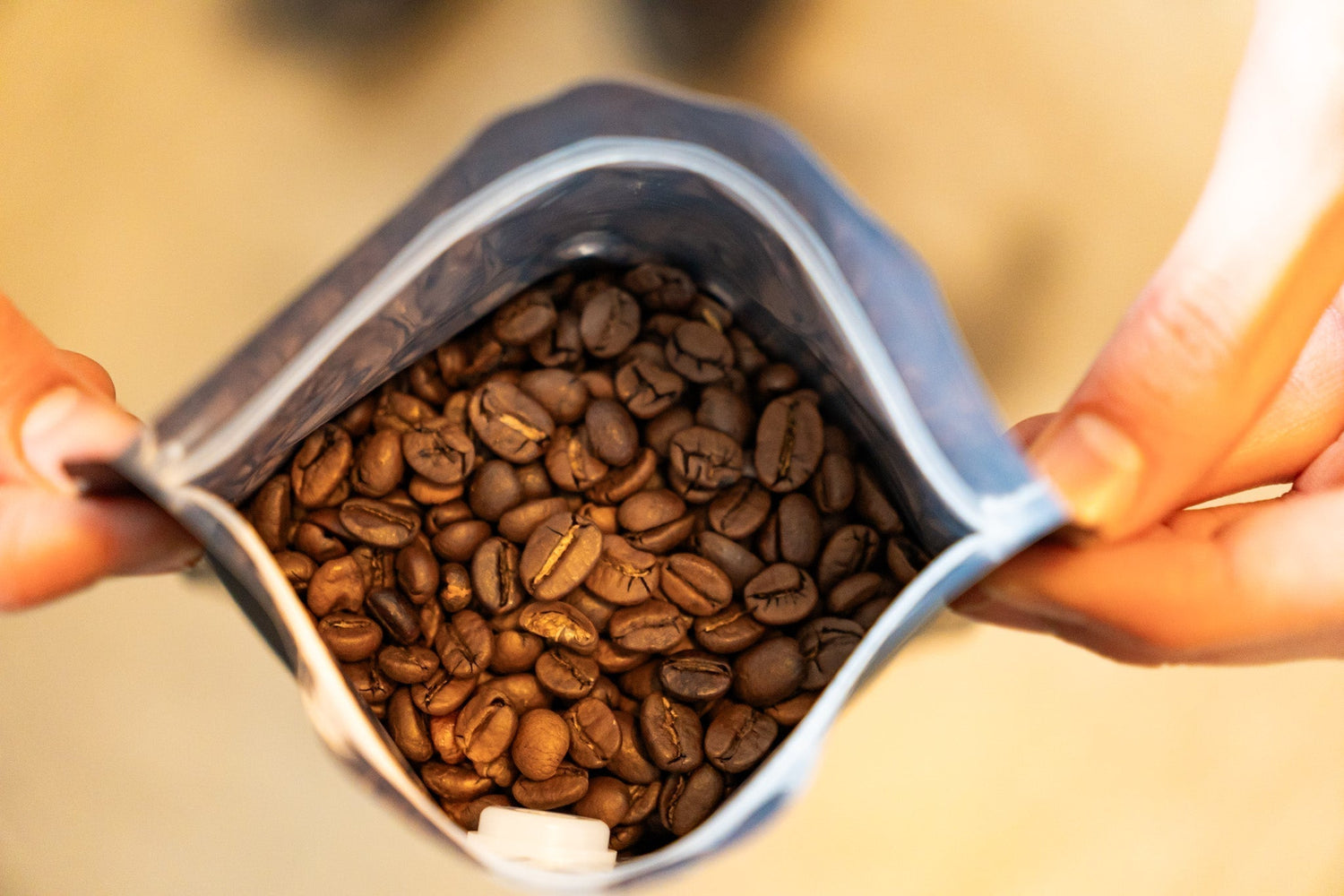
The ideal is not "as dark as possible," but "dark enough for body, but cleanly roasted." Good beans smell pleasant, do not appear burnt, and leave no rancid oil film.
Acidity, bitterness, and crema: what to look for in beans
Acidity is not automatically bad. A fine, mature acidity can make coffee lively. In a fully automatic machine, however, it quickly turns sharp if the beans are roasted too lightly or the grind setting is too coarse. Bitterness, on the other hand, often results from overly dark roasts, too fine a grind, too high a coffee strength, or too long extraction times.
When buying, pay attention to the following characteristics:
- Medium to dark roast level: ideal for espresso, café crème, and milk drinks.
- Balanced acidity: pleasant, but not dominant.
- Good body: important for a full-bodied mouthfeel.
- Stable crema: particularly desirable for espresso and café crème.
- Not too oily surface: protects the grinder and ensures better dosing.
If you are specifically looking for suitable roasts, you will find our bean recommendations for fully automatic machines, which are tailored to these requirements, here.
Fully automatic machine and portafilter in comparison
The comparison between fully automatic and portafilter machines makes sense because both systems work with pressure, but can produce very different results. The fully automatic machine scores with convenience, repeatability, and ease of use. The portafilter machine offers more control and can extract even more precisely with experience.
Espresso from a fully automatic machine vs. espresso from a portafilter machine
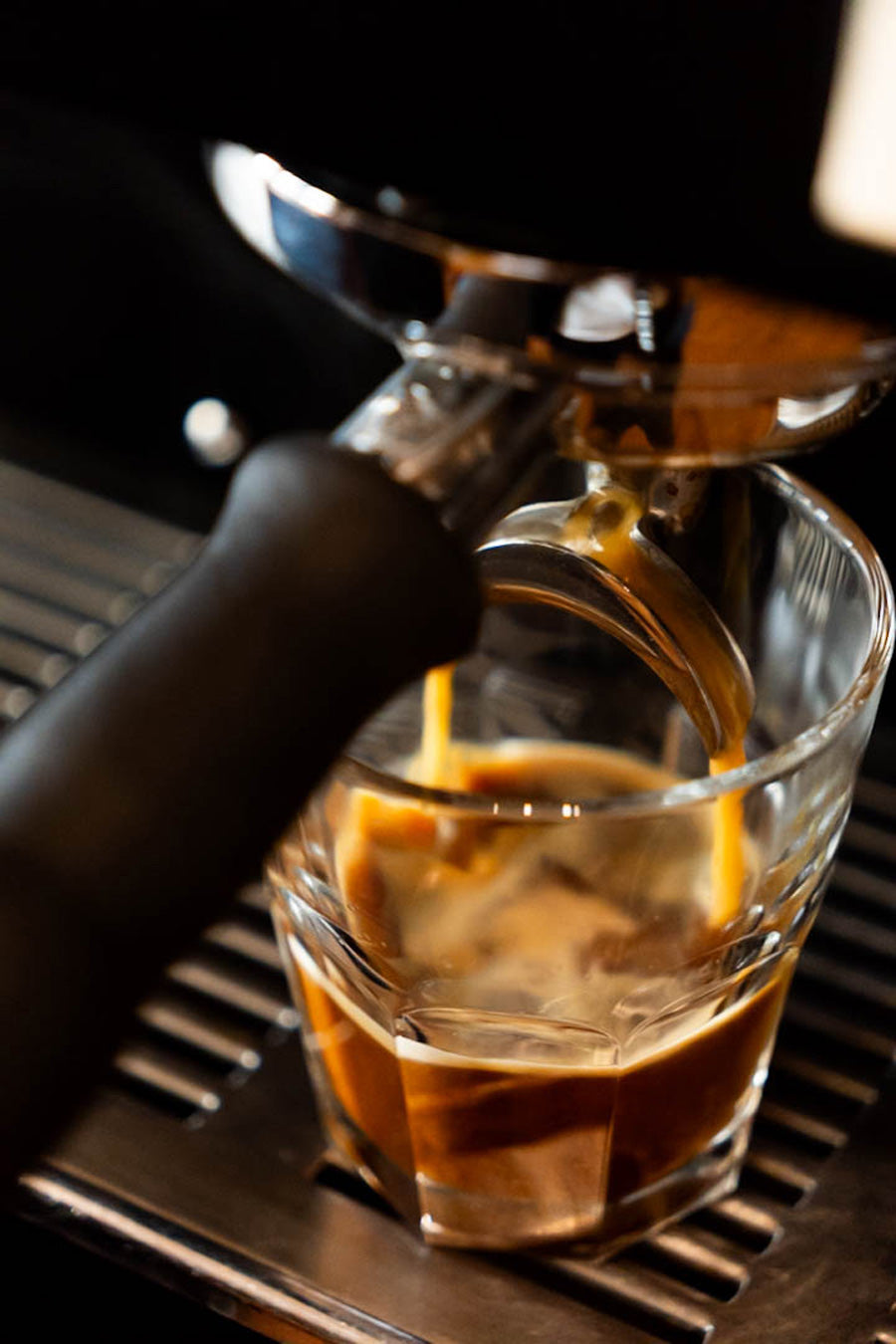
Espresso from a fully automatic machine is practical, fast, and, with suitable beans, strong. The machine grinds, doses, compresses, and brews automatically. The user can usually only intervene roughly. The result is often somewhat milder, less syrupy, and not quite as concentrated as a classic portafilter espresso.
With a portafilter machine, the grind setting, coffee quantity, distribution in the basket, tamper pressure, extraction time, and brew ratio are consciously controlled. This allows an espresso to be finely tuned. At the same time, it requires practice and more effort. If you want a reliably good espresso in the morning, a fully automatic machine is a good choice, provided the beans are suitable for it.

For strong, classic espresso roasts, it's also worth taking a look at our espressos. Many espresso roasts work well in both portafilter and fully automatic machines, as long as they are not too oily and not too dark.
Coffee from a fully automatic machine vs. café crème from a portafilter machine
Many people simply call the large cup from a fully automatic machine "coffee". Technically, it is more similar to a café crème: ground coffee is extracted under pressure with more water. Café crème in a fully automatic machine succeeds particularly well with beans that can be slightly lighter than pure espresso roasts, but still have enough body.
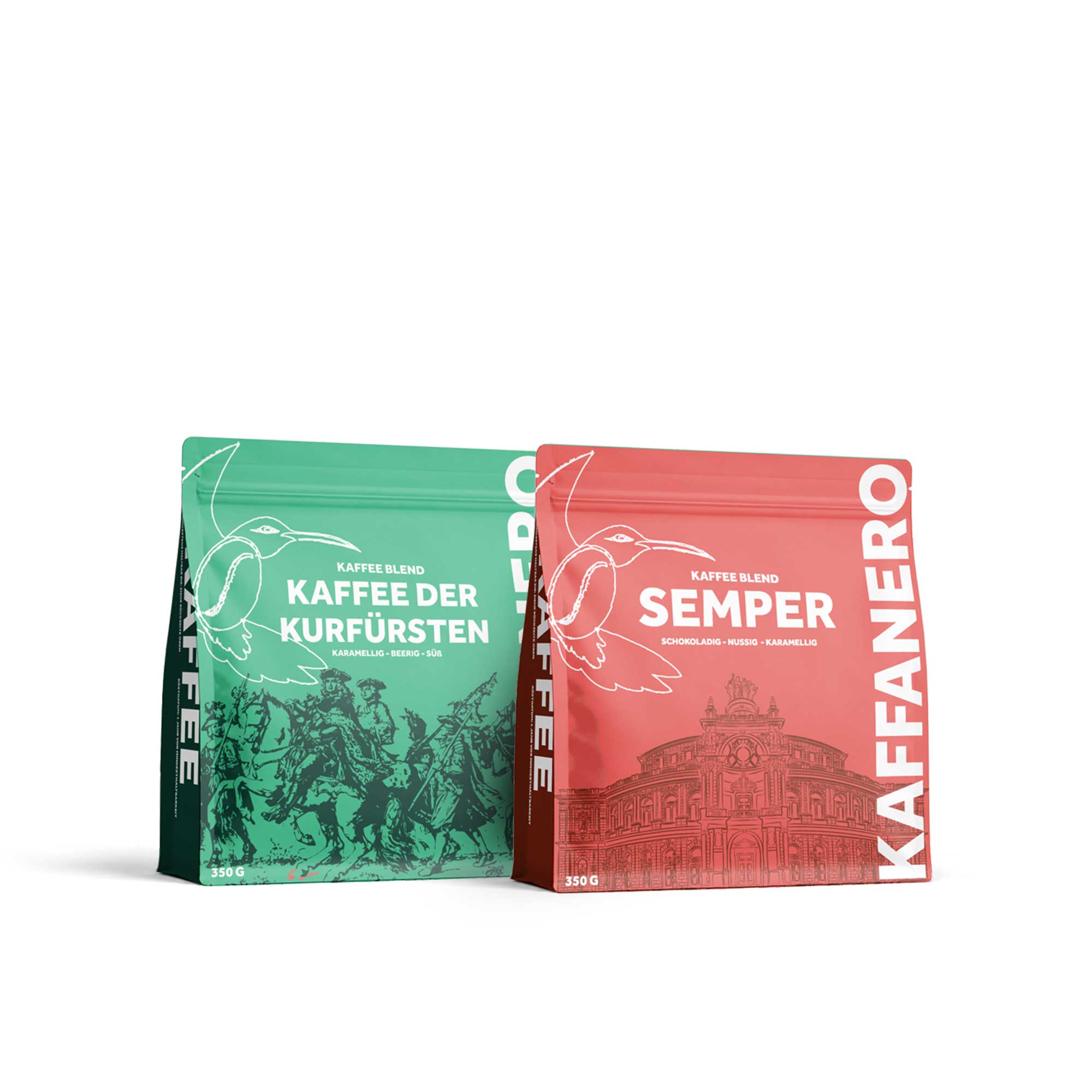
Café crème can also be prepared in a portafilter machine, for example with a coarser grind and a larger amount of water. However, this requires more finesse. The fully automatic machine is very strong here in everyday use: select cup, adjust strength, done. For pure black coffee drinks, balanced coffee roasts are often a better choice than very strong espresso blends. Our absolute recommendation for this is our Kaffee Semper.
Whole bean, grind size, and pressure: the most important settings
Even the best beans for fully automatic machines only taste good if the machine is set correctly. Whole beans are a must, because pre-ground coffee in a fully automatic machine is not optimally dosed and quickly becomes flavorless. Fresh beans, a clean bean container, and regular cleaning make a big difference.
Adjusting the grind size correctly for espresso, café crème, and cappuccino
You should always adjust the grind size on a fully automatic machine in small steps and only while the grinder is running, if the manufacturer recommends it. After each change, many machines need two to three extractions until the new setting really comes through in the cup.
- Espresso: set rather fine. If the espresso runs too quickly and tastes sour, grind a little finer.
- Café Crème: medium-fine to medium. If the cup tastes bitter and dry, grind a little coarser or reduce the water quantity.
- Cappuccino and Latte Macchiato: choose a strong extraction so that the coffee can stand up to the milk.
As a guideline: an espresso should not shoot out of the machine watery, but also not just drip. The crema should be hazelnut colored, not very light and not burnt dark.
Why pressure alone does not make good coffee
Many fully automatic machines advertise 15 or 19 bar pump pressure. For good coffee, this number is less crucial than often assumed. What matters is what pressure actually reaches the brewing unit and whether grind size, quantity, temperature, and bean match.
Pressure can only extract what is present in the coffee. An unbalanced roast, old beans, or an incorrectly set grind size will not improve with high pressure. Conversely, a modern fully automatic machine with suitable beans can deliver very good results, even if it does not offer the control of a portafilter.
Which coffee varieties work particularly well in fully automatic machines?
The question "which coffee for fully automatic machines?" depends heavily on what you drink. Espresso, café crème, cappuccino, and latte macchiato place different demands on the bean. In principle, blends often work particularly reliably because they combine several strengths - to test this, try our sample packs Espresso and Kaffee.
Arabica, Robusta and Blends: Taste, Body and Crema
Arabica or Robusta in a fully automatic machine is an important topic. Arabica often brings finer aromas, sweetness, fruit, and elegant acidity. Robusta provides more strength, earthy spice, caffeine, body, and crema. Pure Arabicas can taste wonderful in a fully automatic machine if they are not roasted too lightly. Blends with a Robusta content are often particularly stable, especially for espresso and milk drinks.
A good blend does not have to taste coarse or bitter. Quality, roasting, and ratio are decisive. A small Robusta content can improve the crema and give the coffee more stability. For beginners, balanced Arabica-Robusta blends are therefore often the safest choice.
Beans for milk drinks: what matters for cappuccino and latte macchiato
Coffee beans for cappuccino from a fully automatic machine should be more intense than beans for a mild black cup. Milk brings sweetness and fat, but also takes away some of the coffee's edges. A too light, fruity roast can get lost in a cappuccino or taste sour. Stronger roasts with notes of chocolate, nut, caramel, or dark cocoa usually harmonize better.
For latte macchiato, flat white, and cappuccino, you can therefore choose a bean that might seem a bit strong as a pure espresso. In milk drinks, it often tastes just right: aromatic, round, and present.
Our fully automatic machine recommendations
If you don't want to experiment for a long time, a curated selection is helpful. Our fully automatic coffees include roasts that have been selected for pressure brewing in fully automatic machines. They should not only work as espresso but also taste stable in longer drinks and with milk.
Balanced All-Rounders for Espresso and Coffee
Balanced all-rounders are ideal if different beverages are prepared in your household: café crème in the morning, espresso in the afternoon, cappuccino on the weekend. Such roasts are usually in the medium to medium-dark range and combine sweetness, body, and moderate acidity.
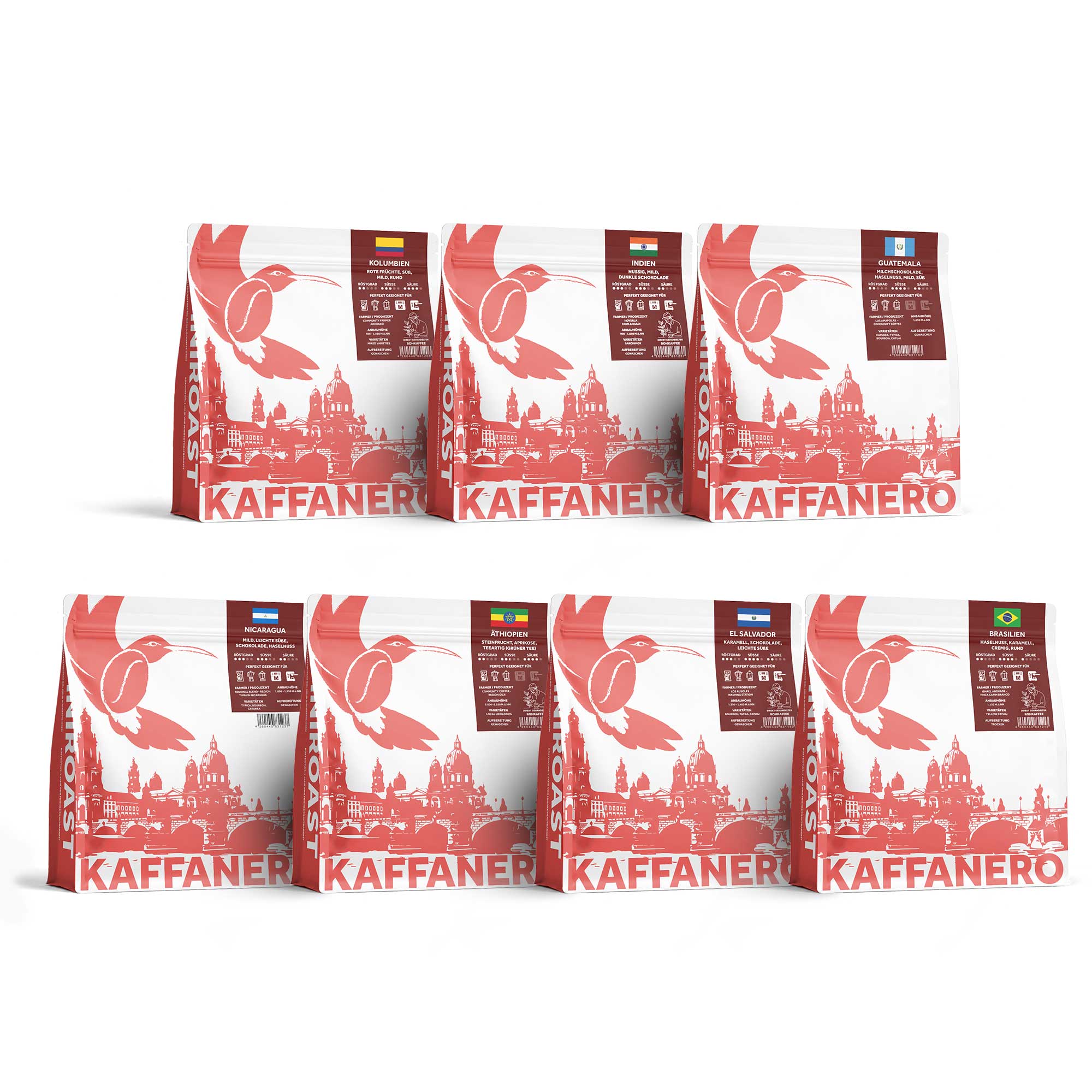
In the Kaffanero Collection for fully automatic machines, you will find suitable roasts if you are looking for a reliable bean for everyday use. When choosing, pay attention to flavor profiles such as nutty, chocolatey, caramel, or balanced-fruity.
Strong roasts for cappuccino, latte macchiato, and flat white
For milk drinks, stronger roasts with more body are recommended. They remain aromatic even with a lot of milk and provide a nice balance of sweetness, roast aromas, and crema. Espresso blends or darker roasts that don't taste burnt are particularly suitable.
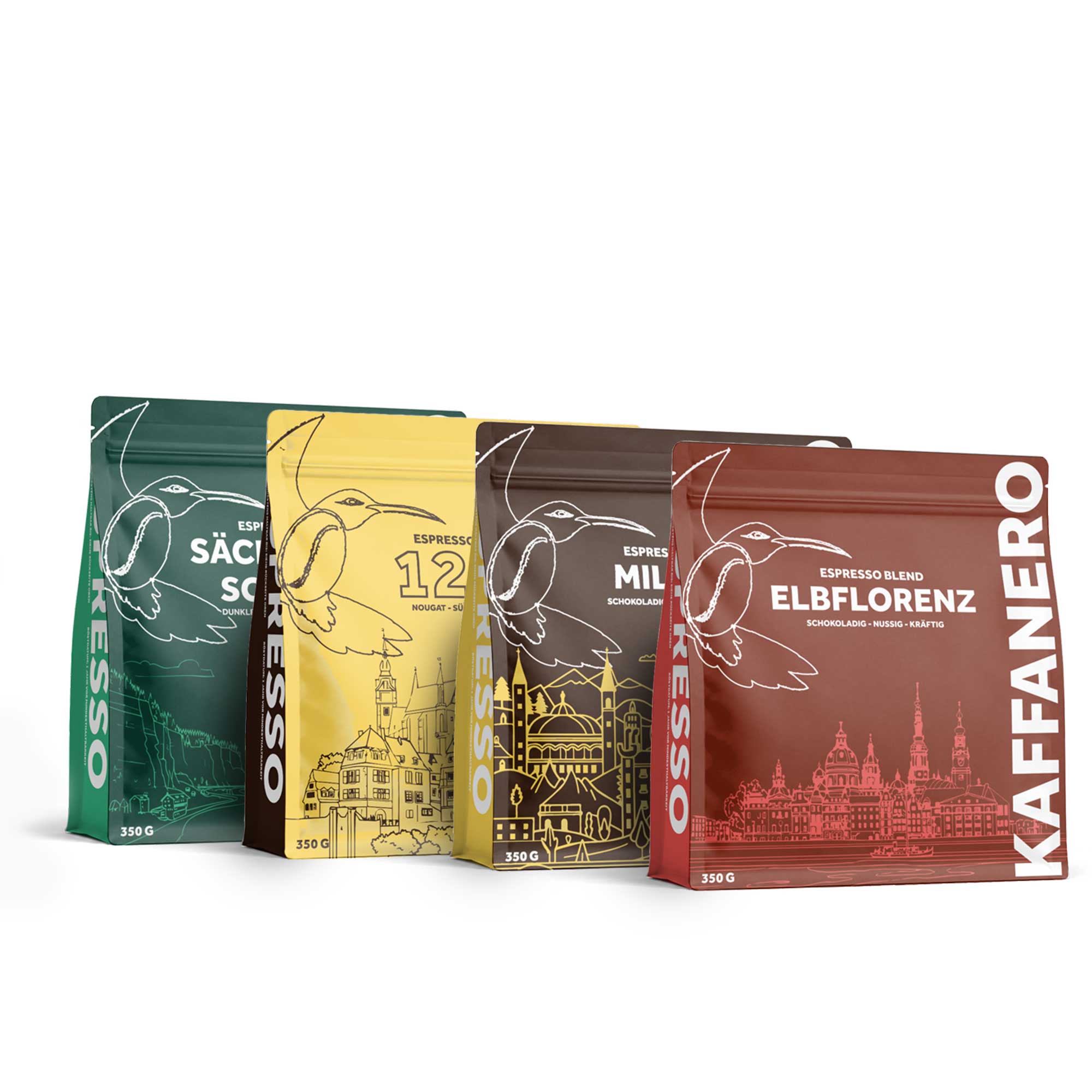
If you frequently drink cappuccino, latte macchiato, or flat white, start with a stronger bean like Espresso Elbflorenz or Espresso Milano and reduce the coffee strength on the machine if necessary. This way, the drink remains flavorful without becoming bitter.
Buying guide: How to find the right coffee for your fully automatic machine
The best purchasing decision comes from a combination of knowledge and experimentation. Every fully automatic machine grinds a little differently, every brewing group extracts a little differently, and every taste is individual. Good guidance is still helpful.
- For espresso: choose a medium to dark espresso roast with body and crema.
- For café crème: a balanced roast with moderate acidity and not too intense bitterness.
- For cappuccino: strong beans with chocolatey or nutty notes.
- For sensitive stomachs: prefer low-acid, slowly and cleanly roasted beans.
- For households with multiple preferences: try all-rounders or sample packs.
If you are still unsure, our sample packs are a sensible starting point. You can compare different roast profiles and find out whether a mild all-rounder, a classic espresso, or a strong milk-drink bean suits you better.
Common mistakes with coffee in fully automatic machines and how to avoid them
Many taste problems arise not from the bean alone, but from settings and maintenance. If coffee tastes sour, bitter, watery, or burnt, a systematic check is worthwhile.
- Coffee tastes sour: set grind finer, try a stronger roast, increase temperature if possible.
- Coffee tastes bitter: set grind coarser, reduce coffee strength, don't over-extract darker beans.
- Drink tastes watery: increase coffee strength, reduce water quantity, use fresher beans.
- Crema is missing: check bean freshness, try Robusta content or espresso-oriented roast.
- Unclean taste: clean brewing unit, maintain grinder and milk system, check water filter.
Another common mistake is to completely fill the bean container, even though the coffee sits there for days. It is better to pour in smaller quantities and store the remaining beans airtight, cool, and dark.
_________
The right coffee for your fully automatic machine is ultimately the one that suits your machine, your drinks, and your taste. Start with a medium to strong roast, adjust the grind size and water quantity, and compare consciously. This way, step by step, you will find the beans that truly convince in your cup.