The question “Which coffee is right for me?” sounds simple, but it is surprisingly complex. Coffee doesn’t just taste “strong” or “mild.” It can be chocolatey, nutty, fruity, floral, spicy, sweet, or robust and bitter. At the same time, the brewing method has a major impact on how these flavors come through in your cup.
If you want to find the right coffee, it pays to consider three things: your personal taste, your preferred brewing method, and the characteristics of the beans. This article will help you choose coffee more consciously—without technical jargon, but with enough knowledge to make better decisions.
Why choosing the right coffee is so important
Many people buy coffee out of habit: a familiar brand, attractive packaging, or a friend’s recommendation. This can work, but it doesn’t always lead to the best result. A coffee that tastes wonderfully creamy in a portafilter may seem too heavy when brewed as filter coffee. A very fruity coffee will delight pour-over fans, but some people may find it too acidic when brewed in a superautomatic machine.
Making the right choice ensures that coffee doesn’t taste bitter, flat, or unpleasantly sour. It also helps you make better use of the strengths of your machine or brewing method. In short: if you know your preferences, you can more effectively find coffee that you’ll truly enjoy drinking every day.
Understanding flavor: chocolatey and classic or fruity and acidic?
When it comes to coffee, there are broadly two styles that make it easier for many people to get started: classic, chocolatey profiles and lighter, fruitier profiles.
Chocolatey coffee often brings to mind cocoa, nuts, caramel, nougat, or roasted almonds. It is smooth, soft, and familiar. These coffees pair well with milk-based drinks, superautomatic machines, French presses, and espresso. If you prefer little acidity and enjoy a harmonious coffee, this is usually the right choice for you.
Fruity coffee features flavors such as berries, stone fruit, citrus, apple, or floral notes. These coffees are often lightly roasted and have a lively acidity. This isn’t “bad acidity”; it can be very delicate, juicy, and complex. These nuances come through particularly well in filter coffee.
If you’re not sure, start by asking yourself: Do you prefer coffee that is smooth, mild, and classic—or exciting, clear, and aromatically complex?
Which beans pair with which brewing method?
The best bean also depends on the brewing method. Grind size, contact time, pressure, and filtration all affect which flavors are extracted. That’s why it pays to choose coffee that suits your brewing method.
Coffee for superautomatic machines: harmonious, mild, and reliable
Coffee for superautomatic machines should be well-balanced, not too lightly roasted, and as straightforward as possible. Superautomatic machines use short contact times and automated settings. Very light, acidic coffees can therefore quickly taste overly sharp.
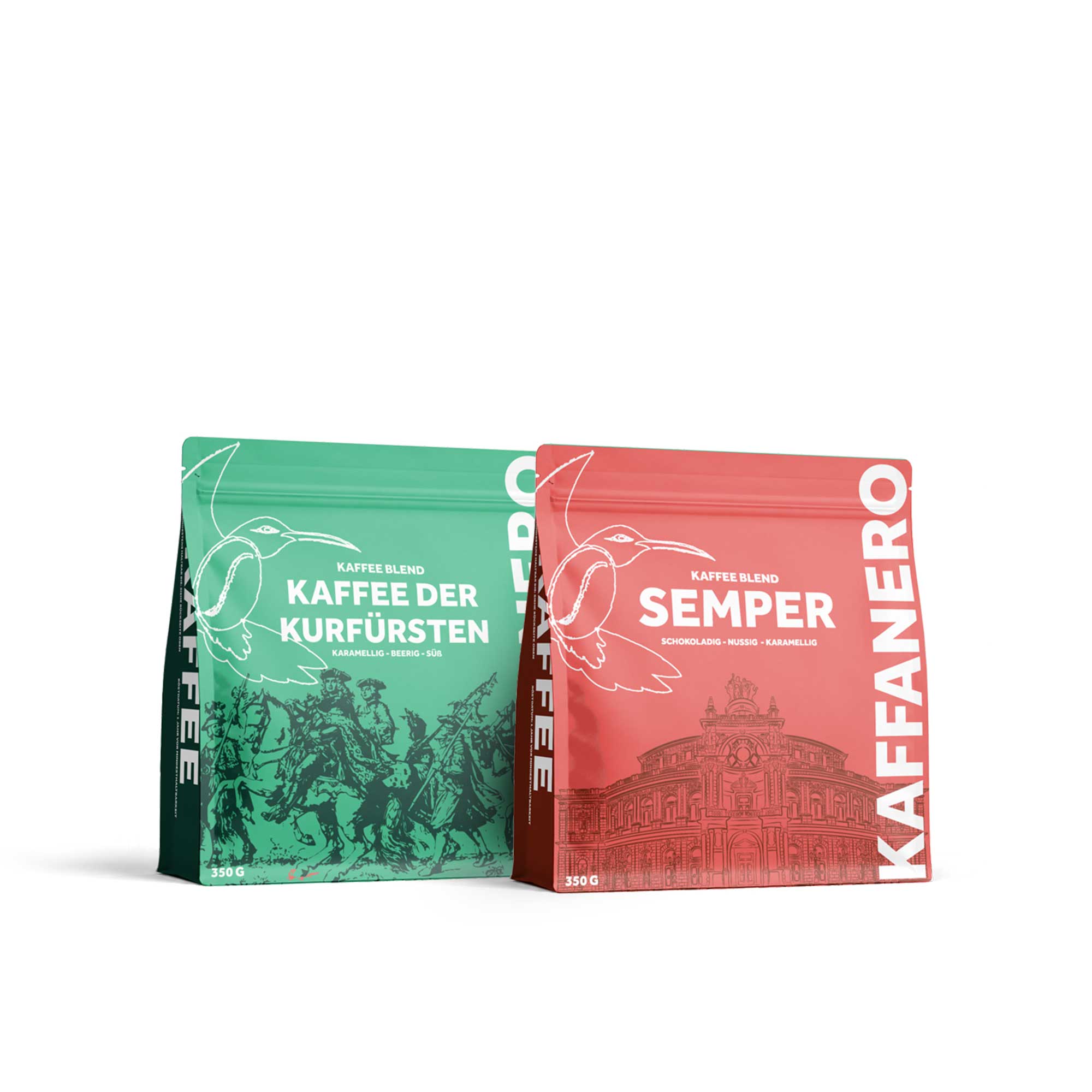
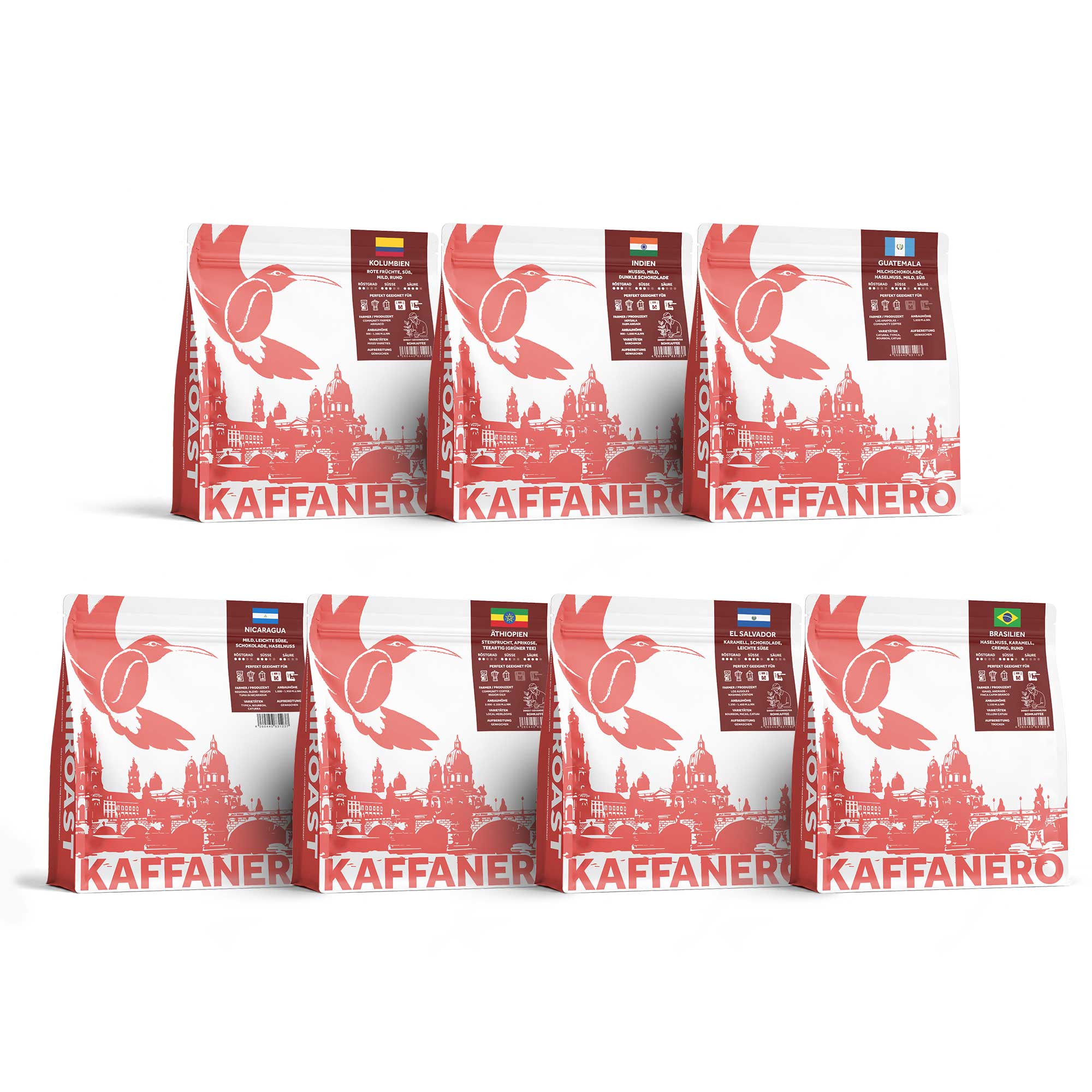
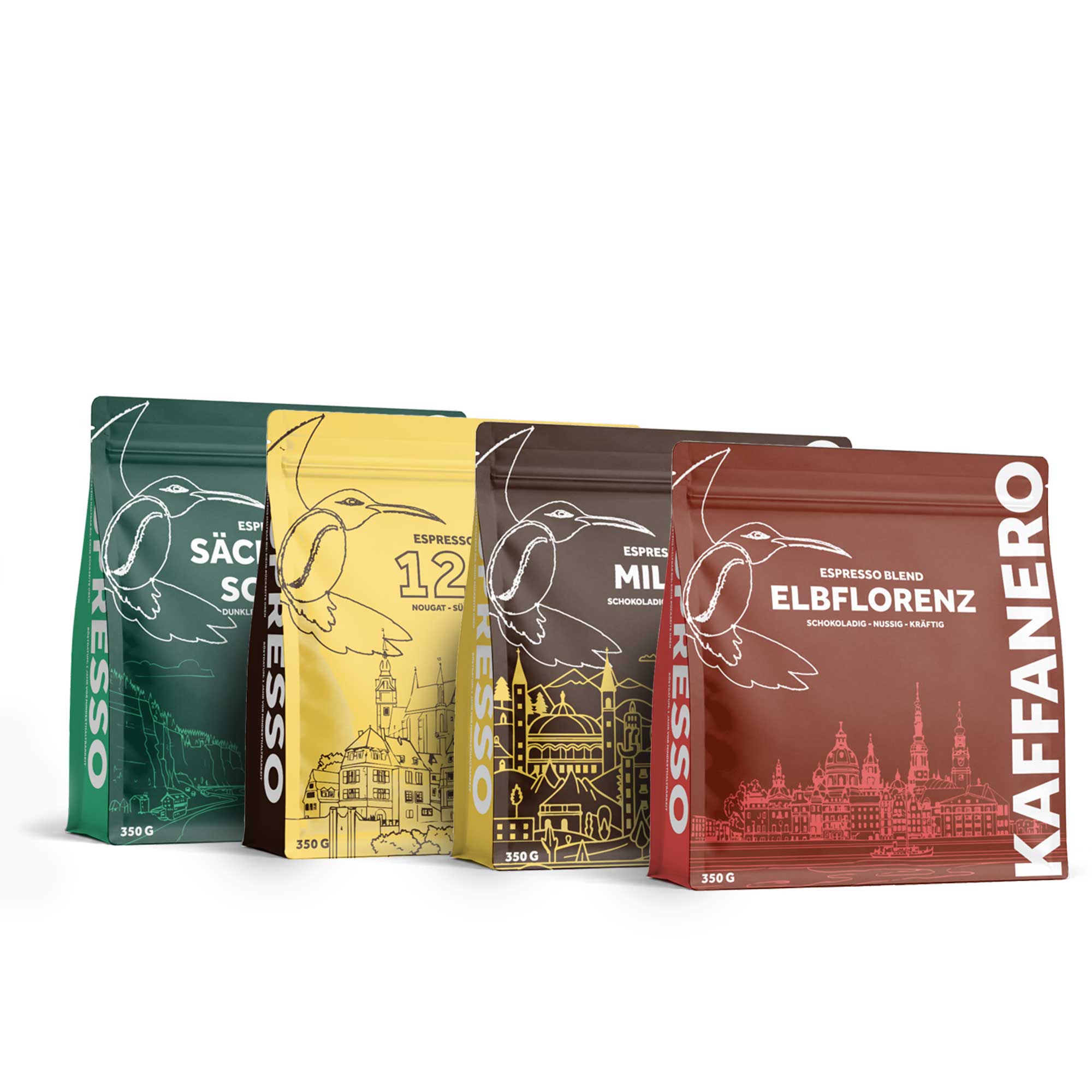
Medium- to dark-roasted beans are a good choice, such as our Kaffee Semper or our coffee from Guatemala, with notes of chocolate, nuts, caramel, or delicate spices. A mild coffee with little dominant acidity is ideal if you drink espresso, café crema, or cappuccino from a superautomatic machine.
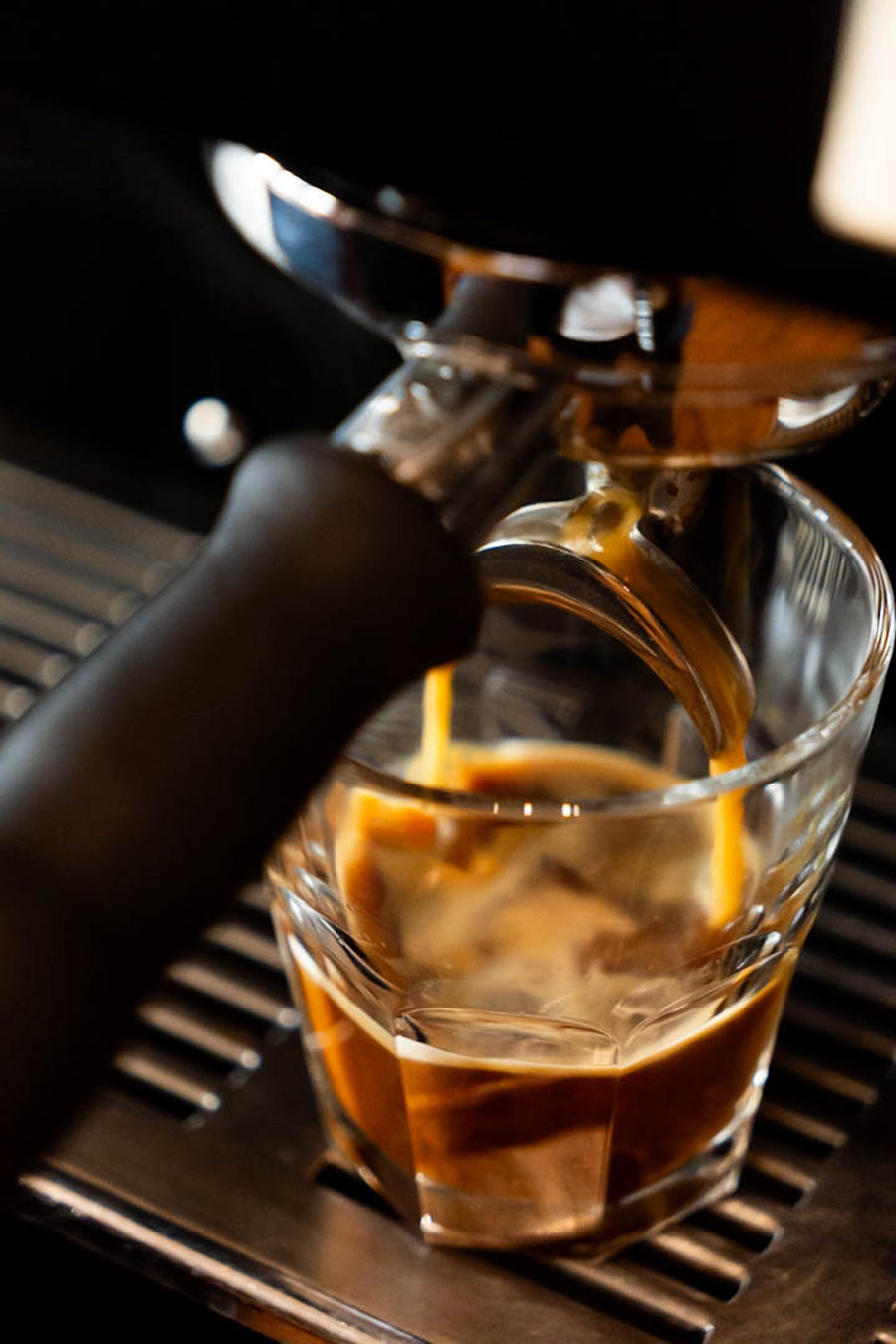
Coffee for portafilters: espresso with body and crema
Coffee for portafilters can be bolder. Body, sweetness, crema, and balance all play a major role here. Classic espresso roasts like our Espresso Milano are often slightly darker and bring flavors of cocoa, hazelnut, dark chocolate, or dried fruit.
If you drink espresso black, you’ll pay particular attention to the balance between sweetness, bitterness, and acidity. For cappuccino or flat white, coffees with a stable body and chocolatey foundation are popular because they stand up well to milk.
Coffee for filter coffee: clear flavors and delicate acidity
Coffee for filter coffee can have more transparent flavors. Pour-over, Chemex, and filter coffee machines all emphasize clarity and delicate nuances. Light- to medium-roasted coffees with fruity, floral, or light chocolate notes work particularly well here.
If you’re curious about origin flavors, filter coffee is a good place to start. You’ll often more clearly taste whether a coffee has notes of red fruit, citrus, honey, tea, or cocoa.
Coffee for French press: full-bodied and smooth
The French press produces a bold, full-bodied coffee because the metal filter allows more oils and fine particles to pass through into the cup. Medium- to dark-roasted beans with smooth flavors pair well with it. Chocolate, nuts, caramel, and spicy notes come through particularly pleasantly.
Very delicate, light coffees can taste somewhat muddy in a French press. But if you love full-bodied coffee, this method will quickly deliver an aromatic, satisfying result.
Arabica, Robusta, and roast level: what really affects the flavor

Arabica is often considered delicate, aromatic, and complex. Robusta provides more body, more caffeine, and often earthy, nutty, or robust notes. Both varieties can be high-quality if cultivation, processing, and roasting are done properly.
The roast level is at least as important. Light roasts emphasize acidity, fruit, and origin character. Medium roasts combine sweetness, balance, and aroma. Darker roasts bring out more roast flavors, less noticeable acidity, and often a bolder impression.
If you’re looking for classic coffee, a medium- to dark roast is usually the right choice. If you want to discover new flavors, lighter roasts such as our organic coffee, coffee from Ethiopia, or coffee from Rwanda could be exciting.
Common mistakes when choosing coffee
- Buying based only on strength: Intensity says little about flavor quality or balance.
- Ignoring the brewing method: Not every coffee tastes equally good with every method.
- Mistaking acidity for a flaw: Good acidity can be fresh, fruity, and lively.
- Storing coffee for too long or incorrectly: Oxygen, light, and heat quickly cause flavors to fade.
- Using the wrong grind size: Even good beans will taste bad if the grind size isn’t right.
Beginners especially benefit from not changing too many variables at once. First choose suitable beans, grind them fresh, and then adjust the grind size or recipe in small steps.
How the Kaffanero coffee guide helps you decide
If you want to find out more quickly which coffee suits your taste, our coffee guide is a practical shortcut. The coffee quiz asks about your preferred brewing method, taste, and desired intensity, among other things.
This means you don’t have to compare every roast individually; instead, you’ll receive suitable recommendations. This is especially helpful if you’re torn between mild, chocolatey, bold, or fruity coffee. You can find the right coffee now and make a more targeted selection.
Product recommendations: Kaffanero coffees by flavor profile
You can use these flavor profiles as a guide:
- Mild and harmonious: ideal for superautomatic machines, café crema, and anyone who prefers little acidity.
- Chocolatey and bold: suitable for portafilters, espresso, and milk-based drinks.
- Fruity and clear: particularly exciting for filter coffee and mindful tasting.
- Full-bodied and smooth: a good choice for French press and classic breakfast coffees.
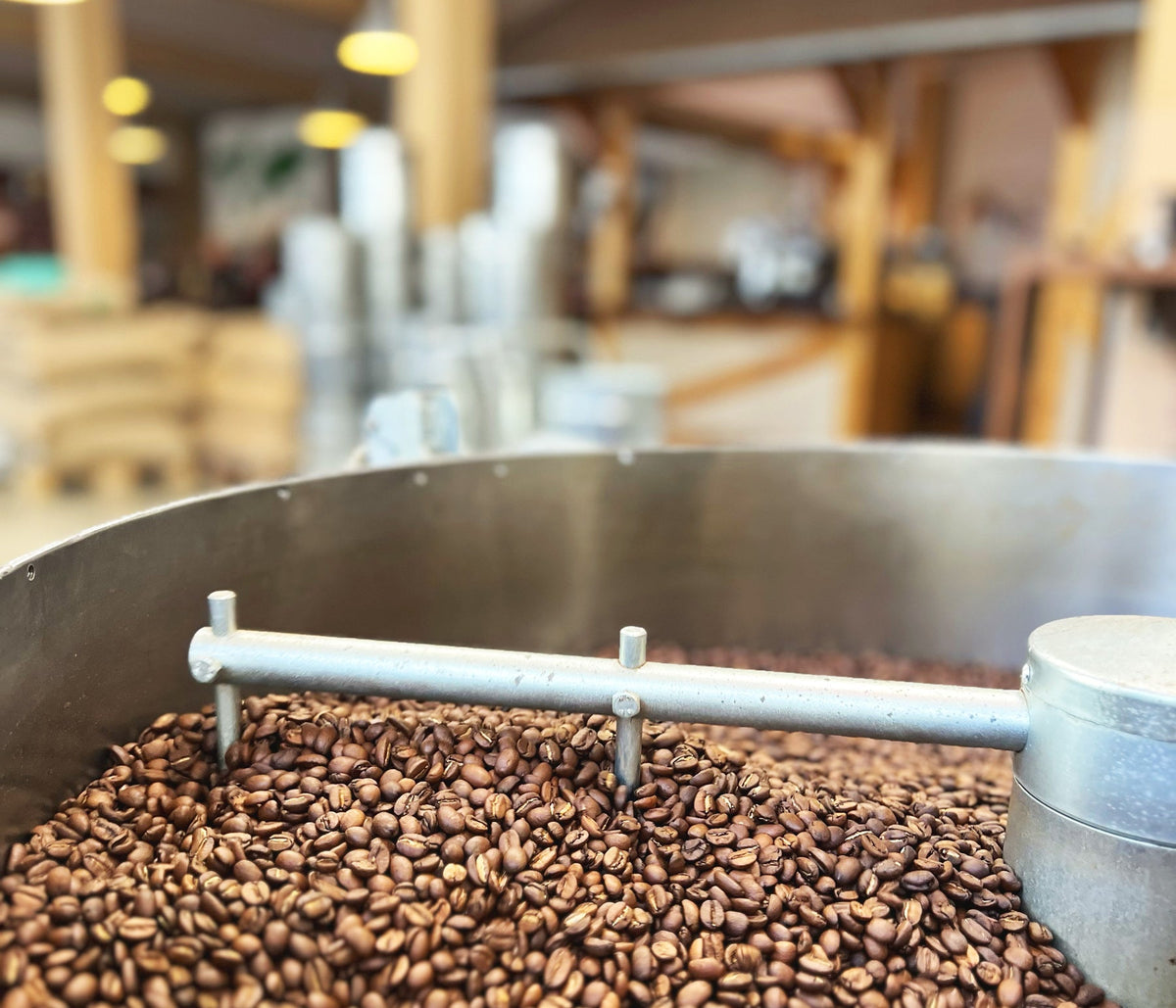
If you want to do more than just drink coffee—you want to understand it better—taking a look behind the scenes can also be exciting. Our roastery tour will introduce you to topics such as green coffee, roast profiles, and craftsmanship, as well as their impact on flavor.
Conclusion: The best coffee is the one that suits you
There is no single perfect coffee. What matters is what you enjoy tasting and how you brew your coffee. If you like mild, smooth coffee, you’ll probably reach for chocolatey, medium- to dark-roasted beans. If you’re looking for clarity and fruitiness, filter coffee with lighter roasts offers many exciting possibilities.
The best next step: write down what you like and dislike about your current coffee. Then compare coffees specifically by flavor, roast level, and brewing method. This way, you’ll gain more confidence with every cup—and find coffee that really suits you.